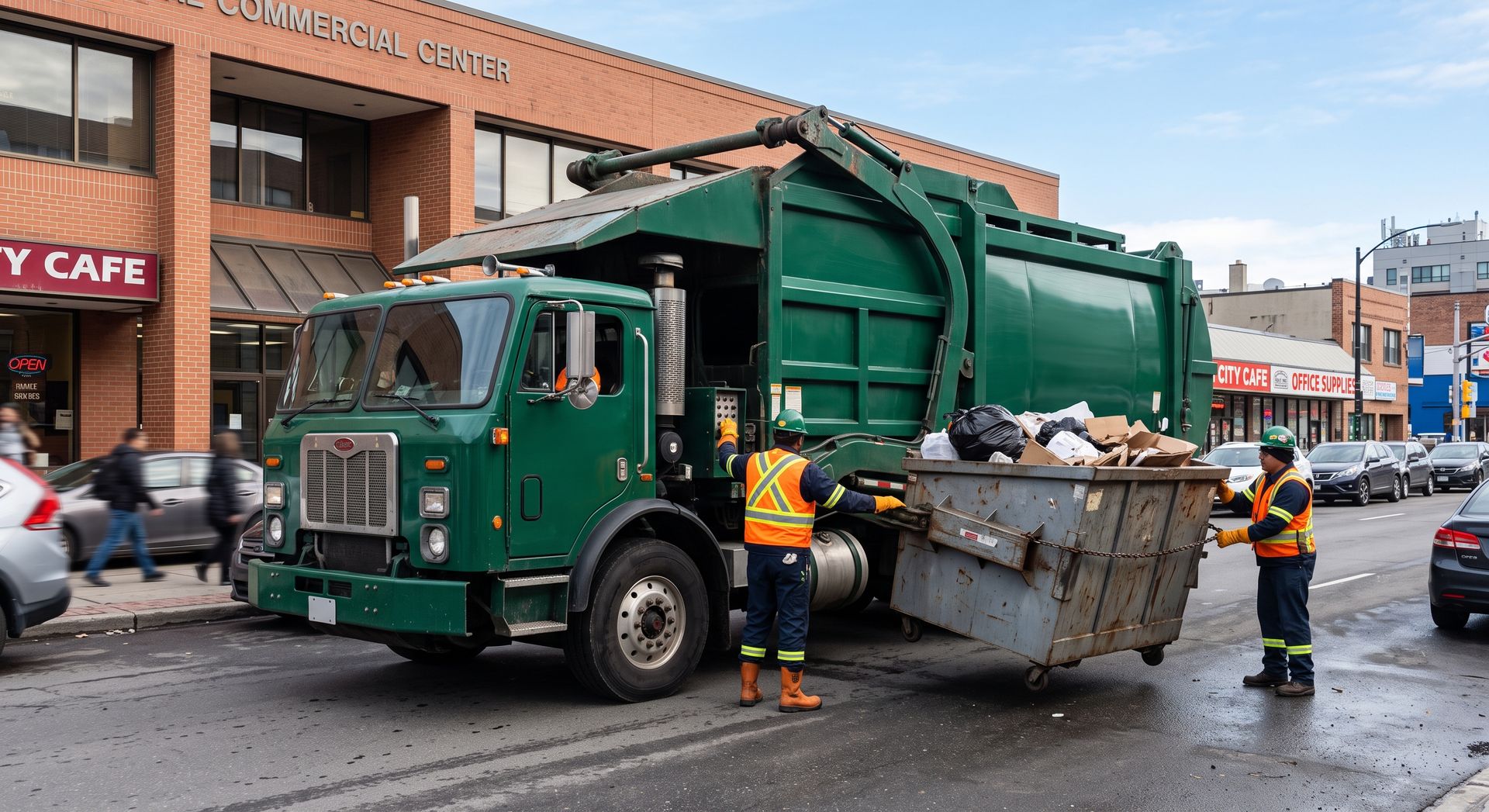
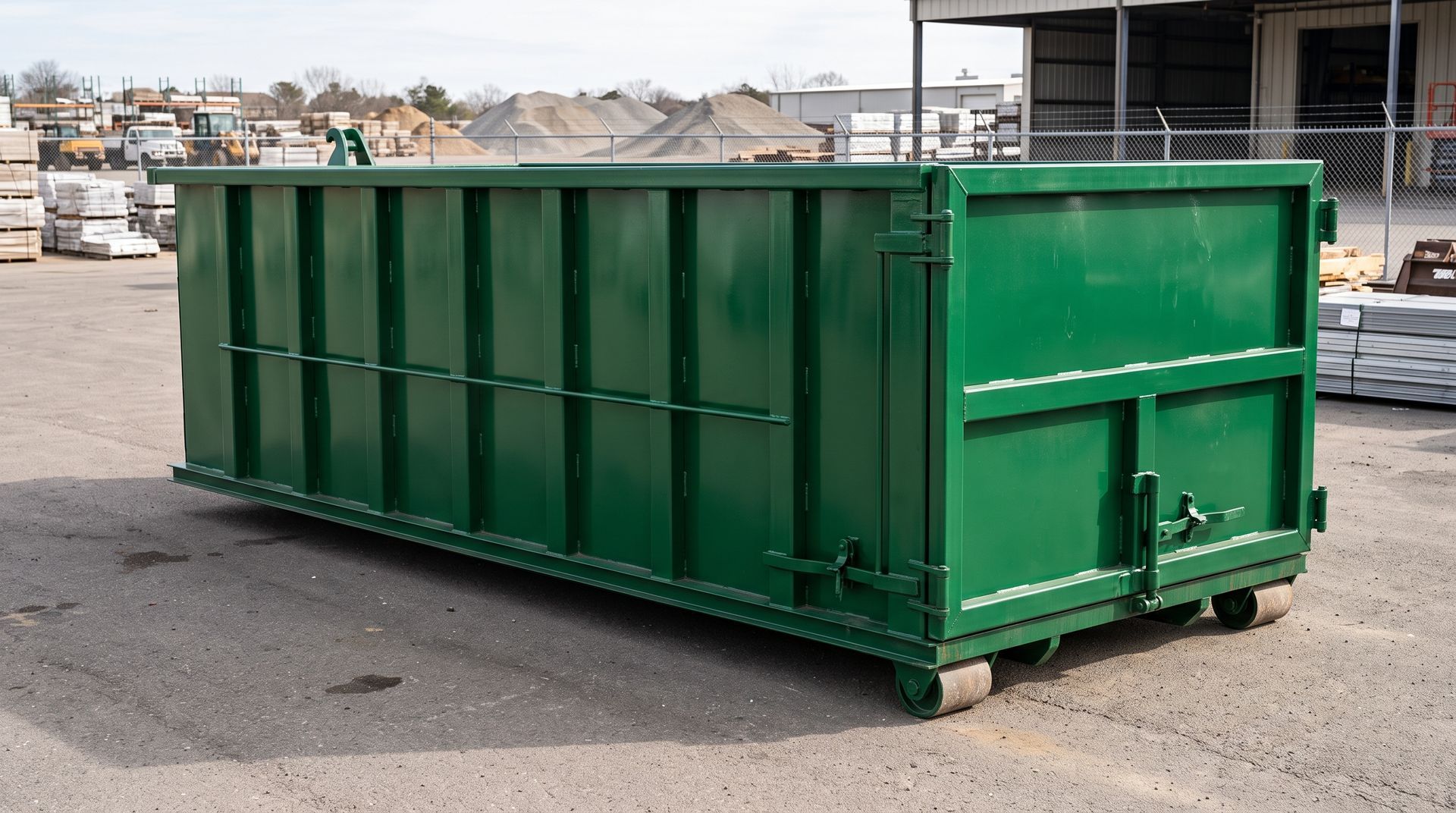
Commercial Waste Collection Best Practices for Restaurants and Retail Stores

Restaurants and retail stores generate waste every day as part of their normal operations. From packaging materials and shipping boxes to food waste and customer trash, managing waste effectively is essential for maintaining a clean, safe, and professional business environment.
A well-planned waste collection strategy can help businesses stay organized, improve customer experiences, and support daily operations. For business owners in Glasgow, MT, understanding waste management best practices can make a significant difference in keeping properties clean and efficient throughout the year.
Why Effective Waste Collection Matters
Waste management is often overlooked until problems begin to appear. Overflowing containers, cluttered storage areas, and litter around the property can negatively impact both employees and customers.
A reliable waste collection program helps businesses:
- Maintain a professional appearance
- Improve workplace safety
- Reduce clutter and debris
- Create a better customer experience
- Support smooth daily operations
Whether operating a restaurant, retail store, convenience store, or specialty shop, proper waste management contributes to a cleaner and more organized business.
Common Waste Challenges for Restaurants
Restaurants often generate waste at a faster rate than many other businesses.
Common sources include:
- Food preparation waste
- Packaging materials
- Disposable containers
- Customer trash
- Shipping supplies
Because waste is generated throughout the day, restaurant owners should regularly evaluate their collection needs to ensure waste does not accumulate between service visits.
Keeping waste areas organized can help maintain cleanliness and improve efficiency for staff.
Common Waste Challenges for Retail Stores
Retail businesses face a different set of waste management needs.
Common waste materials include:
- Cardboard boxes
- Product packaging
- Display materials
- Customer waste
- Shipping and receiving debris
Retail stores often experience fluctuations in waste volume during busy shopping seasons, promotional events, and holidays.
Monitoring waste levels can help businesses adjust operations and maintain clean facilities during peak periods.
Best Practice #1: Keep Waste Areas Organized
An organized waste collection area helps improve efficiency and reduces the likelihood of litter or debris accumulating around containers.
Business owners should:
- Designate specific waste collection locations
- Keep containers accessible
- Remove loose debris regularly
- Maintain clear pathways around collection areas
A clean waste area reflects positively on the overall appearance of the property.
Best Practice #2: Train Employees on Proper Disposal Procedures
Employees play an important role in maintaining an effective waste management program.
Training should include:
- Proper disposal practices
- Keeping waste areas clean
- Reporting overflowing containers
- Following company waste management procedures
Consistent employee participation helps support cleaner operations.
Best Practice #3: Monitor Waste Volume
Waste generation can change throughout the year.
Businesses should periodically evaluate:
- Container usage
- Seasonal changes
- Customer traffic patterns
- Operational growth
Monitoring waste volume helps ensure collection services continue meeting business needs.
Best Practice #4: Maintain Clean Customer Areas
Customers notice cleanliness.
Waste receptacles should be conveniently located and emptied regularly to help maintain a positive experience.
For restaurants, dining areas should remain clean and free of overflowing trash.
For retail stores, entrances, exits, and customer gathering areas should be monitored regularly.
Best Practice #5: Prepare for Seasonal Activity
Businesses in Glasgow often experience changes in activity levels throughout the year.
Examples include:
- Holiday shopping seasons
- Community events
- Tourism activity
- Seasonal promotions
Planning ahead helps businesses remain prepared when waste volumes increase.
Benefits of Working With a Local Waste Collection Provider
Local waste management providers understand the unique needs of businesses operating in Northeast Montana.
Benefits include:
Reliable Service
Consistent waste collection helps businesses maintain professional and organized properties.
Flexible Solutions
Business needs can change over time, and local providers can help accommodate evolving requirements.
Local Expertise
Providers familiar with the area understand the seasonal and operational challenges businesses may face.
Frequently Asked Questions
Why is waste management important for restaurants?
Effective waste management helps maintain cleanliness, improve customer experiences, and support daily operations.
How can retail stores improve waste collection efficiency?
Organizing collection areas, training employees, and monitoring waste volume can help improve efficiency.
Should businesses review their waste collection needs regularly?
Yes. Business growth, seasonal activity, and changing operations can affect waste generation throughout the year.
What are signs that a business should evaluate its waste management plan?
Overflowing containers, excess debris, cluttered waste areas, and increased waste volume may indicate the need for adjustments.
Commercial Waste Collection Services in Glasgow, MT
Restaurants and retail stores rely on dependable waste collection to keep their properties clean, organized, and welcoming. By following best practices and working with a trusted local provider, businesses can maintain efficient operations and create a better experience for employees and customers.
Contact T & R Trucking Inc. Today
If your restaurant, retail store, or commercial property needs reliable waste collection services in Glasgow, MT, T & R Trucking Inc. is ready to help.
Phone: (406) 228-8746